
Ultimate Selection Of Concrete Leveling Products For Professionals
Find the essential tools and materials used by experts to achieve precise and long-lasting concrete leveling outcomes.
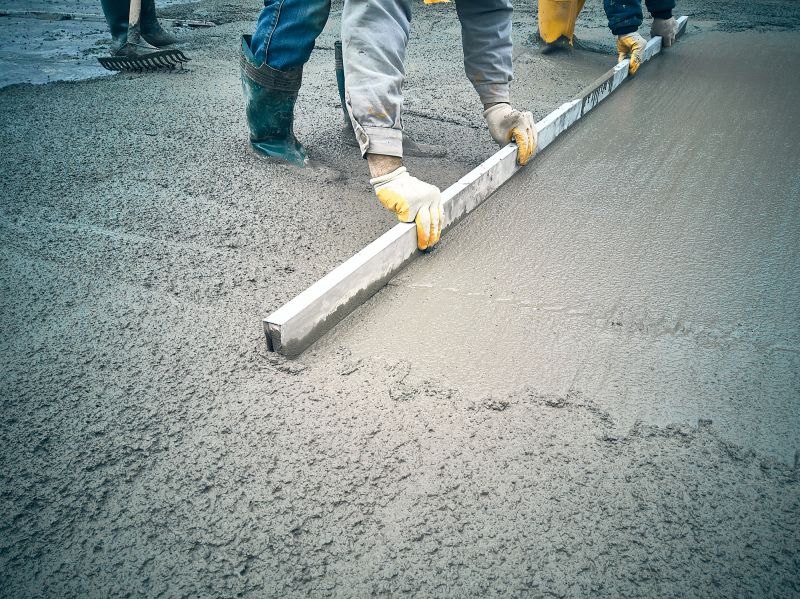 Concrete leveling is an essential process for maintaining the safety, appearance, and functionality of various surfaces around residential and commercial properties. Over time, concrete slabs can develop unevenness due to soil settlement, erosion, or other environmental factors. Properly addressing these issues helps prevent tripping hazards, water pooling, and further structural damage. The market offers a wide array of products designed to facilitate effective concrete leveling, ranging from DIY kits to professional-grade solutions.
Top Overall Option
Polyurethane Foam Injection System
Polyurethane foam injection systems are versatile and minimally invasive solutions suitable for a variety of concrete leveling needs. They work by injecting expanding foam beneath the slab to lift and stabilize the surface, often providing quick results with minimal disruption. These systems are favored for their ability to reach challenging areas and their suitability for both small repairs and larger projects. Proper application ensures the foam expands evenly, providing a stable and durable lift. While not guaranteeing a permanent fix in all cases, they are widely used for their ease of use and effectiveness in many scenarios.
Types of Products For Concrete Levelings
Self-Leveling Concrete Compounds
These compounds are designed for small to medium surface repairs, providing a smooth, level finish that can be used indoors or outdoors. They are easy to pour and spread, making them suitable for DIY projects.
Polyurethane Foam Kits
Polyurethane foam kits are used to lift and stabilize sunken slabs with minimal excavation. They are injected beneath the concrete to fill voids and restore an even surface.
Mud Jacking or Slab Jacking Products
These products involve injecting a slurry mixture beneath the slab to lift it back into position. They are often used for larger areas like driveways and sidewalks.
Epoxy and Resin-Based Fillers
Epoxy and resin fillers are used to repair cracks and small surface imperfections, providing additional strength and stability.
Concrete Resurfacing Products
Resurfacing products restore the appearance of damaged or worn concrete surfaces, offering a new, smooth finish.
Hydraulic Cement
Hydraulic cement is used for quick repairs of cracks and holes, especially in areas exposed to water or moisture.
Polymer-Modified Concrete Patches
These patches provide durable repairs for surface damage, blending with existing concrete for a seamless look.
Underlayment Products
Underlayments are used to create a level base before installing new flooring or finishing surfaces.
Vapor Barriers and Moisture Sealers
These products help prevent moisture issues that can cause concrete to shift or crack over time.
Curing Compounds
Curing compounds assist in proper setting and hardening of freshly poured or repaired concrete surfaces.
Popular Choices
Widely used for quick lifts and stabilization, these kits are popular for their ease of use and effectiveness in various applications.
Commonly chosen for interior floor repairs, these compounds provide a smooth and even surface for flooring installation.
Often selected for driveway and sidewalk repairs, these products facilitate large-scale lifting projects.
Popular for small surface repairs, epoxy crack fillers help restore structural integrity and improve appearance.
Chosen for surface renewal, these coatings enhance the look and durability of worn or damaged concrete.
Favored for rapid repairs of cracks and holes, especially in wet or high-moisture areas.
Used for patching surface damage with a durable, seamless finish.
Popular for preparing subfloors or creating an even base before finishing surfaces.
Commonly applied to prevent moisture-related issues that can compromise concrete stability.
Many of these products aim to provide a straightforward application process, allowing property owners and contractors to correct uneven surfaces with minimal disruption. From self-leveling compounds to polyurethane foam injections, each product type offers specific advantages suited to different types of concrete issues. Selecting the right product involves understanding the nature of the problem, the size of the area, and the desired longevity of the fix.
For those considering DIY approaches, there are comprehensive kits that include all necessary components for small to medium-sized repairs. Professional-grade products tend to be more robust, suitable for larger or more complex leveling projects. Proper application and adherence to safety guidelines are crucial regardless of the product chosen to ensure a durable and effective result. Consulting with a concrete specialist can help determine the most suitable product type for specific conditions, particularly for large-scale or structural concerns.
In the Renton, WA area, homeowners and property managers can find diverse solutions tailored to local soil and environmental conditions. Whether addressing a sunken patio, uneven driveway, or cracked sidewalk, understanding the options available can help achieve a level, safe, and visually appealing surface. Investing in quality products and proper application techniques can extend the lifespan of concrete surfaces and improve overall property value.
Key Buying Considerations
- Assess the size and extent of the uneven area to determine the appropriate product type.
- Identify whether a DIY solution or professional intervention is needed based on project complexity.
- Consider the environmental conditions, such as moisture levels and soil type, that may affect product performance.
- Check the curing or drying time to plan application and project timelines accordingly.
- Evaluate the compatibility of the product with existing concrete surfaces and finishes.
- Review safety instructions and necessary protective equipment for application.
- Determine the longevity and durability expectations for the repair or leveling solution.
- Look into the ease of application, especially if opting for DIY products.
- Verify whether the product is suitable for indoor, outdoor, or both environments.
- Consider the potential need for additional repair or surface preparation before application.
- Compare product formulations to ensure they meet specific project requirements, such as load-bearing capacity.
- Assess the availability of technical support or customer service from the supplier.
- Review user feedback and ratings to gauge real-world effectiveness.
- Account for budget constraints while balancing quality and performance.
- Ensure the product complies with local building codes and safety regulations.